 16 June 2026
 Share
Share
1
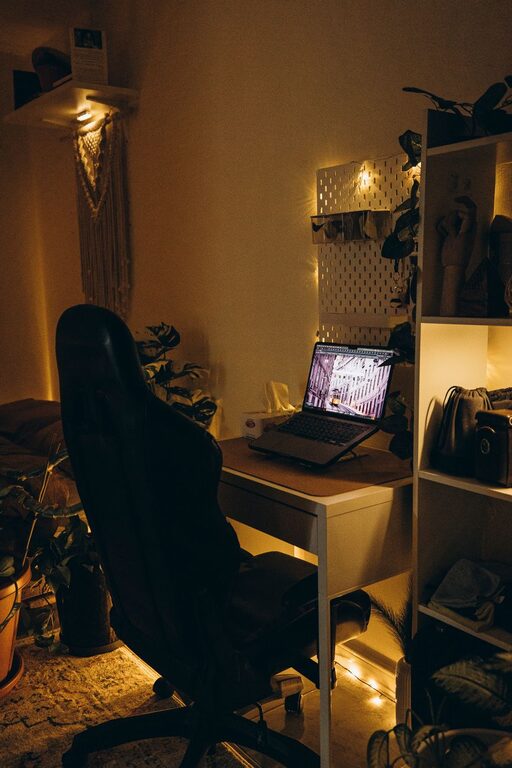

Creating a relaxing home workspace is essential for staying productive and maintaining well-being, especially as more people work remotely. A cluttered or uncomfortable environment can lead to distractions, stress, and a decline in work quality. Fortunately, with a few thoughtful changes, you can create a space that helps you focus, feel calm, and get more done.
In this post, we’ll explore practical tips and ideas for designing a home workspace that promotes relaxation and productivity.
One of the first steps is selecting where to set up your workspace. Ideally, pick a spot with plenty of natural light and minimal noise. Avoid high-traffic areas or places close to distractions like the TV or kitchen.
If possible, create a dedicated workspace separate from your living or sleeping areas. This helps your brain distinguish between work time and personal time, improving focus and work-life balance.
– Near a window for daylight and fresh air
– Away from household noise or interruptions
– Close to necessary outlets and internet access
– In a comfortable corner or unused room
Ergonomics matter. An uncomfortable chair or desk can cause aches, fatigue, and reduce your ability to concentrate. Find furniture that supports good posture and feels comfortable over long periods.
– Adjustable office chair with lumbar support
– Desk at a height that allows elbows to rest at a 90-degree angle
– Footrest if your feet don’t comfortably reach the floor
– Accessories like wrist rests and monitor stands to reduce strain
A cluttered desk can be distracting and add unnecessary stress. Keep your workspace tidy and organized by:
– Using drawers, shelves, or organizers to store supplies
– Minimizing items on your desk to essentials only
– Regularly decluttering papers, notes, and unused materials
– Employing cable management tools to keep cords neat
An organized space creates a calming environment and helps you find what you need quickly.
Colors impact mood and energy levels. Soft, neutral tones like light blues, greens, or pastel shades tend to promote relaxation and focus. Avoid overly bright or harsh colors that can cause fatigue or agitation.
Add personal touches that make you feel calm and happy, such as:
– Plants that improve air quality and add life
– Artwork or photos that inspire or soothe you
– Soft lighting options like desk lamps with warm bulbs or string lights
Natural light boosts mood and reduces eye strain, so position your desk near windows if possible. If natural light is limited, invest in good lighting options:
– Use full-spectrum or daylight bulbs to mimic sunlight
– Avoid harsh overhead fluorescents; opt for softer indirect lighting
– Use adjustable desk lamps to focus light where you need it
Good lighting helps reduce fatigue and keeps you alert during work hours.
Ambient noise can either enhance or disrupt your focus depending on your preferences. Some people find soft music, white noise, or nature sounds relaxing and helpful.
Consider:
– Playing instrumental or acoustic music at low volume
– Using noise-canceling headphones to block distractions
– Adding a small water fountain or indoor plants to produce gentle sounds
– Simply ensuring your workspace is quiet if that helps you concentrate better
Working for long hours without movement can lead to discomfort and decreased productivity. Design your space to encourage regular movement:
– Use a standing desk or adjustable desk converter to alternate sitting and standing
– Place a yoga mat or stretch area nearby for quick breaks
– Schedule reminders to stretch, take short walks, or practice deep breathing
Movement refreshes your mind and body, helping you return to tasks with better focus.
Ensure your workspace has the necessary tech and tools that help you work efficiently:
– Reliable internet connection and backup options
– Keyboard, mouse, and monitor that reduce strain
– Noise-canceling headphones for calls or focused work
– Cable organizers and charging stations to keep devices ready
Keeping tech organized and functional minimizes interruptions and improves workflow.
Personalizing your workspace makes it more inviting and comfortable, but avoid overloading the area with too many items that add clutter or distractions.
Choose a few meaningful items such as:
– A favorite mug or desk accessory
– Photos of loved ones or motivational quotes
– Small plants or succulents
The goal is to create a space that feels like your own but remains focused on work.
Creating a relaxing workspace is an ongoing process. Develop habits to maintain your environment:
– Clean your workspace at the end of each day
– Review and organize papers weekly
– Rotate or update decor seasonally to keep the space fresh
– Adjust lighting and seating as needed for comfort
A well-maintained workspace continues to support your productivity and relaxation long-term.
—
Designing a relaxing home workspace is about combining comfort, organization, and personal touches to foster focus and reduce stress. With these practical tips, you can create an environment that not only helps you perform your best but also feels like a pleasant place to spend your workday. Try implementing a few ideas at a time to see what works best for you, and enjoy the benefits of a calm, productive home office.