 16 June 2026
 Share
Share
1
Creating a home workspace that feels cozy and inviting can make a big difference in your daily work routine. Whether you work remotely full-time or occasionally need a quiet spot to focus, a well-designed workspace can improve comfort, reduce stress, and increase productivity. In this post, we’ll explore practical tips to help you design a home office that feels welcoming and inspires you to do your best work.
The first step in setting up a cozy home workspace is selecting the right spot. Here are important factors to consider:
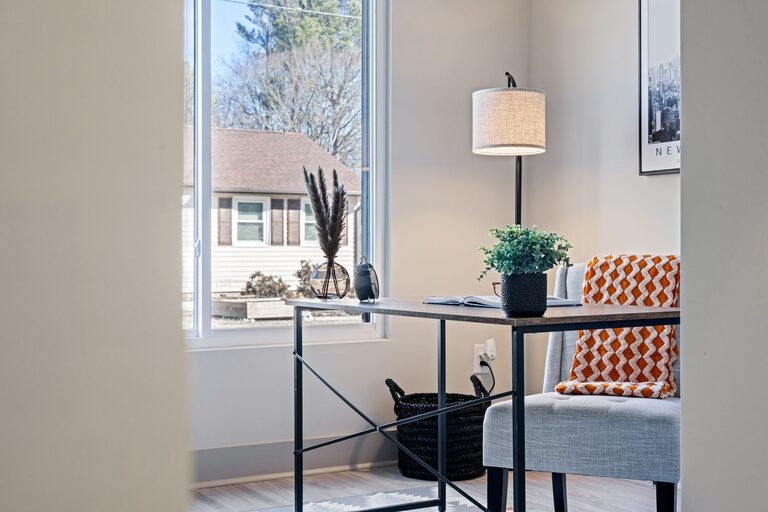
– Natural light: Position your desk near a window if possible. Natural light can enhance your mood and reduce eye strain.
– Low distractions: Pick a quiet corner or room where you can concentrate without interruptions.
– Space and privacy: Even a small nook can work well, but try to ensure some privacy from other household activities.
If space is limited, a fold-out desk or a compact workstation can fit into unexpected places like a hallway or under the stairs.
Comfort is key to creating an inviting workspace that you’ll actually want to use. Focus on these essentials:
– Ergonomic chair: Choose a chair that supports good posture and cushions your back. Adjustable height and lumbar support make a big difference.
– Desk size and height: Make sure your desk has enough surface area for your computer, notebook, and other essentials. The height should allow your arms to rest comfortably.
– Additional seating: Consider adding a small sofa or armchair if space allows for relaxing breaks.
Remember, your furniture doesn’t need to be expensive. Many affordable options combine comfort and style.
Adding personal touches makes your workspace feel more inviting and inspires creativity. Try some of these ideas:
– Artwork and photos: Hang or place pictures that make you happy or motivated.
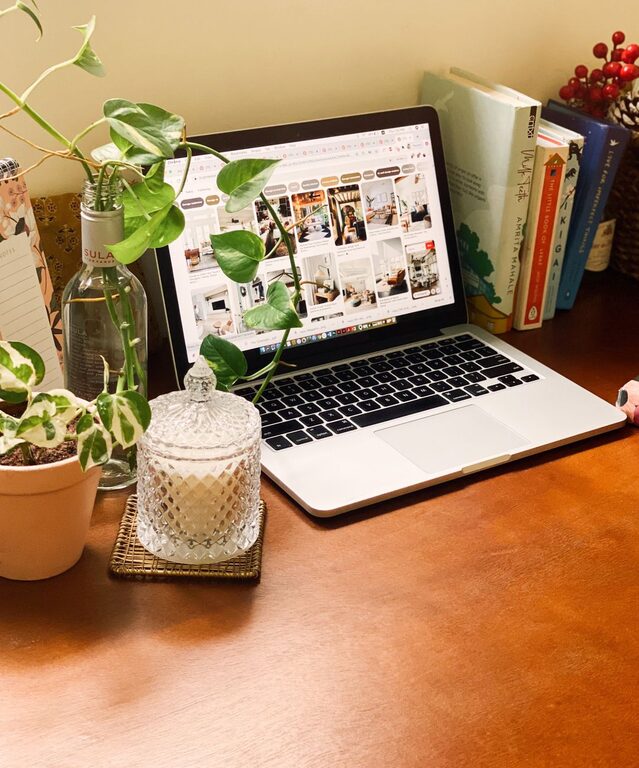
– Plants: Indoor greenery not only brightens a room but can improve air quality.
– Decor and color: Use warm tones or your favorite colors to create a mood that suits you.
– Rugs and cushions: Soft textures add warmth and coziness to your office area.
Personalization helps your workspace feel like a true extension of you, making work more enjoyable.
Lighting plays a crucial role in both comfort and productivity. To get it right:
– Layered lighting: Combine natural light, overhead fixtures, and task lamps to reduce eye strain.
– Adjustable desk lamp: An adjustable lamp can focus light exactly where you need it.
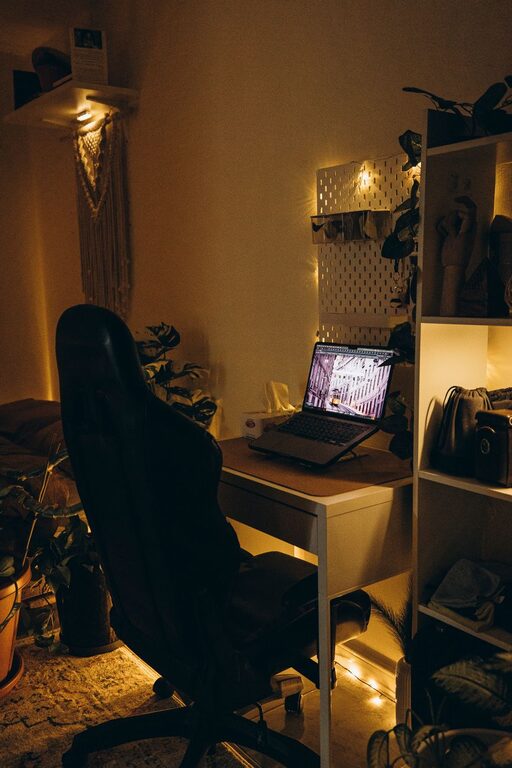
– Warm light bulbs: Use warm-toned bulbs for a cozy ambiance, especially in the evening.
Avoid glare on your screens by positioning light sources strategically.
A clutter-free workspace promotes focus and calm. Use these organization strategies:
– Storage solutions: Invest in shelves, drawers, or filing cabinets to keep supplies tidy.
– Desk organizers: Use trays, pen holders, and drawer dividers to keep your desktop neat.
– Cable management: Use clips or sleeves to organize cords and prevent tangling.
– Daily clean-up: Spend a few minutes at the end of each day resetting your workspace.
An organized area helps clear mental clutter and keeps you on track throughout the day.
Technology is essential for most home workspaces but avoid letting it create distractions:
– Minimal devices: Keep only necessary electronics on your desk.
– Noise-cancelling headphones: Use headphones to block background noise and improve focus.
– Charging station: Designate a spot for charging devices to avoid cords running everywhere.
Balancing technology use helps maintain an inviting atmosphere while supporting your work needs.
If your space allows, consider setting up separate zones within your workspace:
– Work zone: Primary desk area with your computer and main tools.
– Reading or brainstorming nook: A cozy chair or cushion for reading documents or thinking.
– Storage zone: Shelves and cabinets to keep materials accessible but out of the way.
Designating areas helps your brain switch between tasks and reduces fatigue.
Your workspace should support not only productivity but also your overall well-being:
– Air quality: Open windows regularly or use an air purifier.
– Temperature control: Keep the room at a comfortable temperature.
– Hydration station: Keep water nearby to stay hydrated.
– Break reminders: Use timers or apps to remind yourself to stand, stretch, or rest your eyes.
Taking care of your physical health in your workspace helps maintain lasting energy and focus.
Creating a cozy and inviting home workspace doesn’t require a major renovation. By paying attention to lighting, comfort, organization, and personal touches, you can build a space that feels welcoming and supports your best work. Remember that your workspace should adapt to your evolving needs — don’t hesitate to experiment with different layouts and ideas until you find what works best for you. A little effort goes a long way in making home work more enjoyable and productive.