 16 June 2026
 Share
Share
1
Creating a cozy and inviting home workspace is essential for anyone who spends time working from home. Whether you’re tackling daily tasks, attending virtual meetings, or pursuing a creative project, an environment that feels comfortable and welcoming can improve your focus and overall well-being. In this post, we’ll explore practical tips to help you design a space that is both functional and warm.
A workspace isn’t just where you get your work done—it impacts your mood, energy, and productivity. When your surroundings are cluttered, uncomfortable, or uninspiring, it can be harder to stay motivated. On the other hand, a cozy and inviting workspace encourages concentration, creativity, and a healthy work-life balance.
The first step in creating a comfy workspace is selecting the best spot in your home.
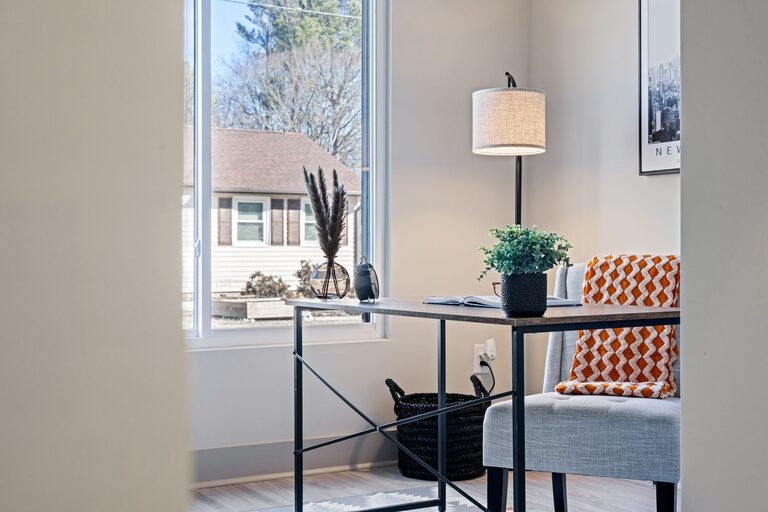
Natural light is a great mood booster and reduces eye strain. Set up your desk near a window if possible, but avoid glare on your computer screen.
Choose a quiet corner or room where you won’t be interrupted by household noise or activity.
Make sure there’s enough space for your desk, chair, and any equipment you need. You should be able to sit and move comfortably.
Your furniture is the foundation of your workspace comfort.
Select a chair that supports your back and encourages good posture. Adjustable height and lumbar support can make a big difference in your comfort over the hours.
A desk with enough surface area lets you organize your tools without feeling cramped. Choose one that fits your style and space.
While functionality is key, aesthetics also matter. Pick furniture that complements your home’s decor to make your workspace feel like an extension of your living environment.
The colors and lighting of your space influence your mood and productivity.
Soft hues like light blues, greens, or warm neutrals create a relaxing atmosphere. You can combine these with small pops of color to keep things lively.
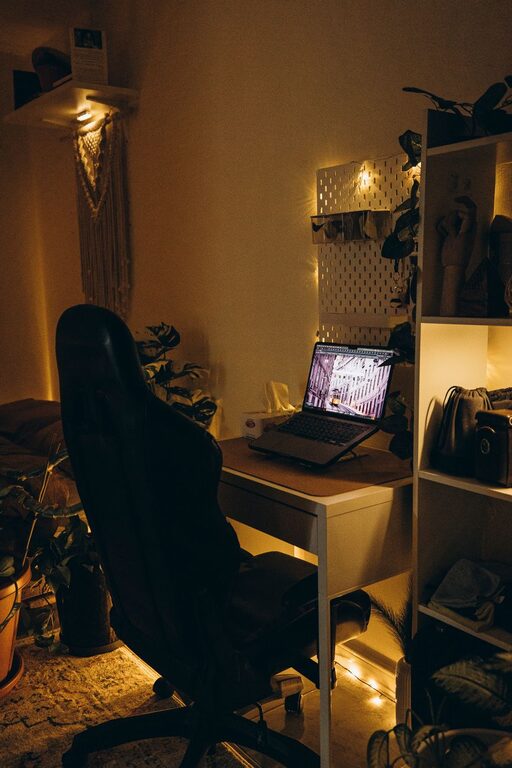
Combine overhead lights with task lighting such as desk lamps. Adjustable lighting helps reduce eye strain during long work sessions.
If possible, replace harsh lights with warmer LED bulbs that mimic natural daylight.
A tidy workspace reduces distractions and improves focus.
Use shelves, drawers, and organizers to keep supplies and documents out of sight but within reach.
Limit your desk surface to items you use daily. Store extra supplies in labeled containers to avoid clutter.
Make it a habit to clear your workspace at the end of each day. This keeps the area inviting for the next work session.
Nature has a calming effect and enhances creativity.
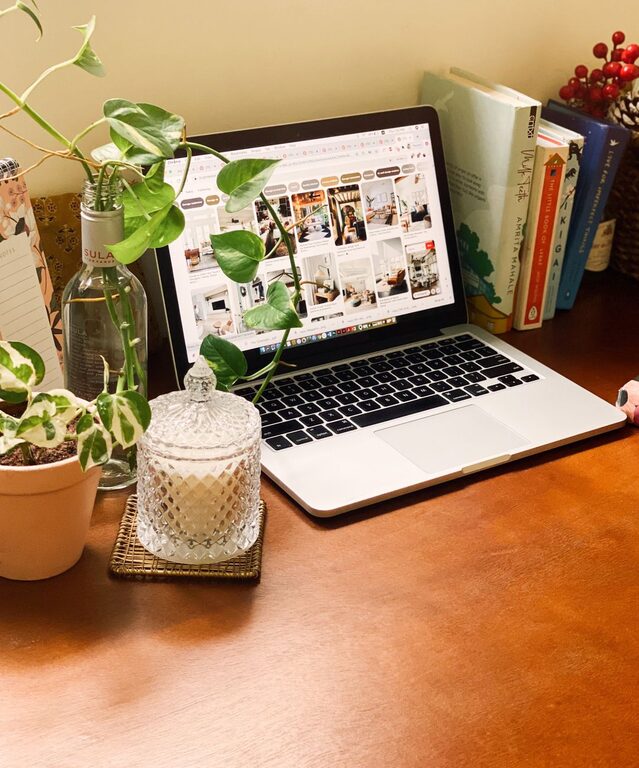
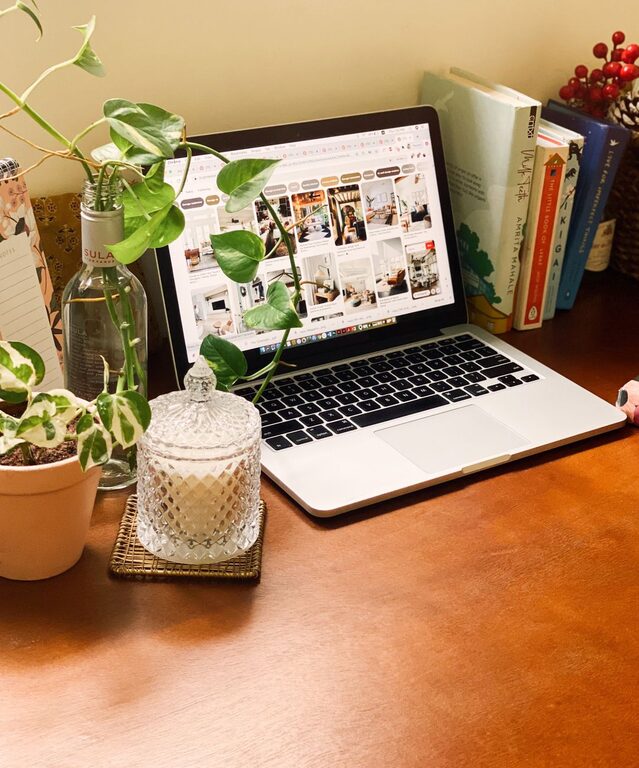
Plants improve air quality and brighten up a space. Choose low-maintenance options like succulents or snake plants if you’re new to plant care.
Incorporate wood, stone, or woven textures with your furniture or decorative items to add warmth.
Pictures of landscapes or botanical prints can provide visual relaxation during breaks.
Personal touches make a big difference in how inviting your workspace feels.
Photographs, souvenirs, or inspirational quotes can motivate and comfort you throughout the day.
Add a soft throw blanket or cushioned seat pad to your chair. A small rug underfoot can also increase comfort.
Use a subtle diffuser with essential oils like lavender or eucalyptus to promote calmness.
If your space allows, create designated areas to separate work tasks.
A clutter-free desk area for writing, computer work, and meetings.
A comfortable chair or small couch for reading or taking short breaks helps signal transitions between work and rest.
A dedicated area for files, supplies, and equipment keeps everything organized.
Designing a cozy and inviting home workspace doesn’t require a complete makeover. Small changes like adjusting lighting, adding plants, and organizing your desk can transform an ordinary corner into a productive haven. Prioritize comfort and personalization, and you’ll find that your workspace inspires you to do your best work in a welcoming environment.
Remember, the goal is to create a space where you feel relaxed, focused, and motivated every day. Happy decorating!