
 16 June 2026
 Share
Share
1
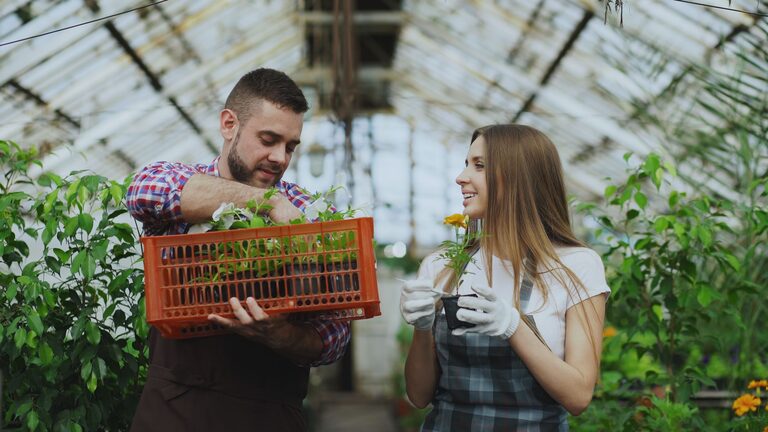
Creating and maintaining a healthy indoor garden can be a rewarding and calming hobby. Whether you have a few houseplants or an elaborate indoor oasis, keeping your plants thriving throughout the year requires some attention and care. Indoor gardening offers many benefits, including improved air quality, enhanced mood, and a touch of natural beauty in your living space. This guide provides simple, practical tips to help your indoor garden flourish all year long.
Every plant species has unique needs when it comes to light, water, humidity, and temperature. Knowing what your plants require is the first step to successful indoor gardening.
– Light: Some plants prefer bright, direct light, while others thrive in low-light conditions. Understanding your plants’ light needs will help you place them in the right spots.
– Water: Overwatering and underwatering are two of the most common mistakes. Each plant has specific watering requirements based on its type and the season.
– Humidity: Many indoor plants, especially tropical varieties, prefer higher humidity levels.
– Temperature: Indoor plants generally thrive at temperatures similar to comfortable living conditions — usually between 65 and 75°F (18–24°C), but avoid placing plants near drafts or heat sources.
Plants tend to use water more slowly in the colder months when growth slows. During spring and summer, more frequent watering is typically needed.
– Check soil moisture before watering by sticking your finger an inch into the soil.
– Use pots with drainage holes to prevent waterlogging.
– Reduce watering in winter but don’t let the soil dry out completely.
Indoor lighting conditions change throughout the year, especially during shorter days in fall and winter.
– Rotate your plants occasionally to ensure even light exposure.
– Move plants closer to windows during darker months.
– Consider using a full-spectrum grow light if natural light is limited.
Indoor air can become dry due to heating systems and air conditioning, especially in winter.
– Use a humidifier nearby or place a water tray with pebbles under your plants.
– Group plants together to create a microenvironment with better humidity.
– Mist tropical plants lightly but avoid overdoing it to prevent fungal issues.
Indoor plants benefit from fertilizing since they don’t get nutrients from the environment like outdoor plants.
– Use a balanced, water-soluble fertilizer every 4-6 weeks during the growing season.
– Reduce or stop feeding in winter when most plants enter dormancy.
– Follow the instructions on fertilizer packages to avoid overfeeding.
Dust and pests can compromise plant health and growth.
– Wipe leaves gently with a damp cloth to remove dust.
– Inspect plants regularly for signs of pests such as spider mites, aphids, or mealybugs.
– Treat infestations early with insecticidal soap or natural remedies like neem oil.
Over time, plants can outgrow their containers, which limits their growth.
– Repot every 1-2 years or when roots start to grow out of the drainage holes.
– Choose slightly larger pots and use fresh potting soil.
– Repot in spring or early summer to encourage healthy growth.
Pruning encourages fuller growth and helps remove dead or damaged parts.
– Snip off yellowing or dead leaves.
– Trim leggy stems to maintain shape and promote new shoots.
– Use clean, sharp scissors or pruning shears to avoid injury to plants.
– Use quality potting soil designed specifically for indoor plants.
– Monitor temperature fluctuations and keep plants away from heating vents or cold drafts.
– Create a care schedule to keep track of watering, feeding, and other tasks.
– Avoid overcrowding plants, allowing air circulation to prevent mold and disease.
– Be patient. Plants can take time to adjust, especially after repotting or moving.
Maintaining a healthy indoor garden year-round is achievable with a little knowledge and consistent care. By paying attention to your plants’ light, water, humidity, and feeding needs, you can enjoy vibrant greenery throughout all seasons. Indoor gardening can bring not only beauty but also peace and satisfaction to your home environment. Start with these simple tips, and watch your indoor garden flourish no matter the time of year.
